

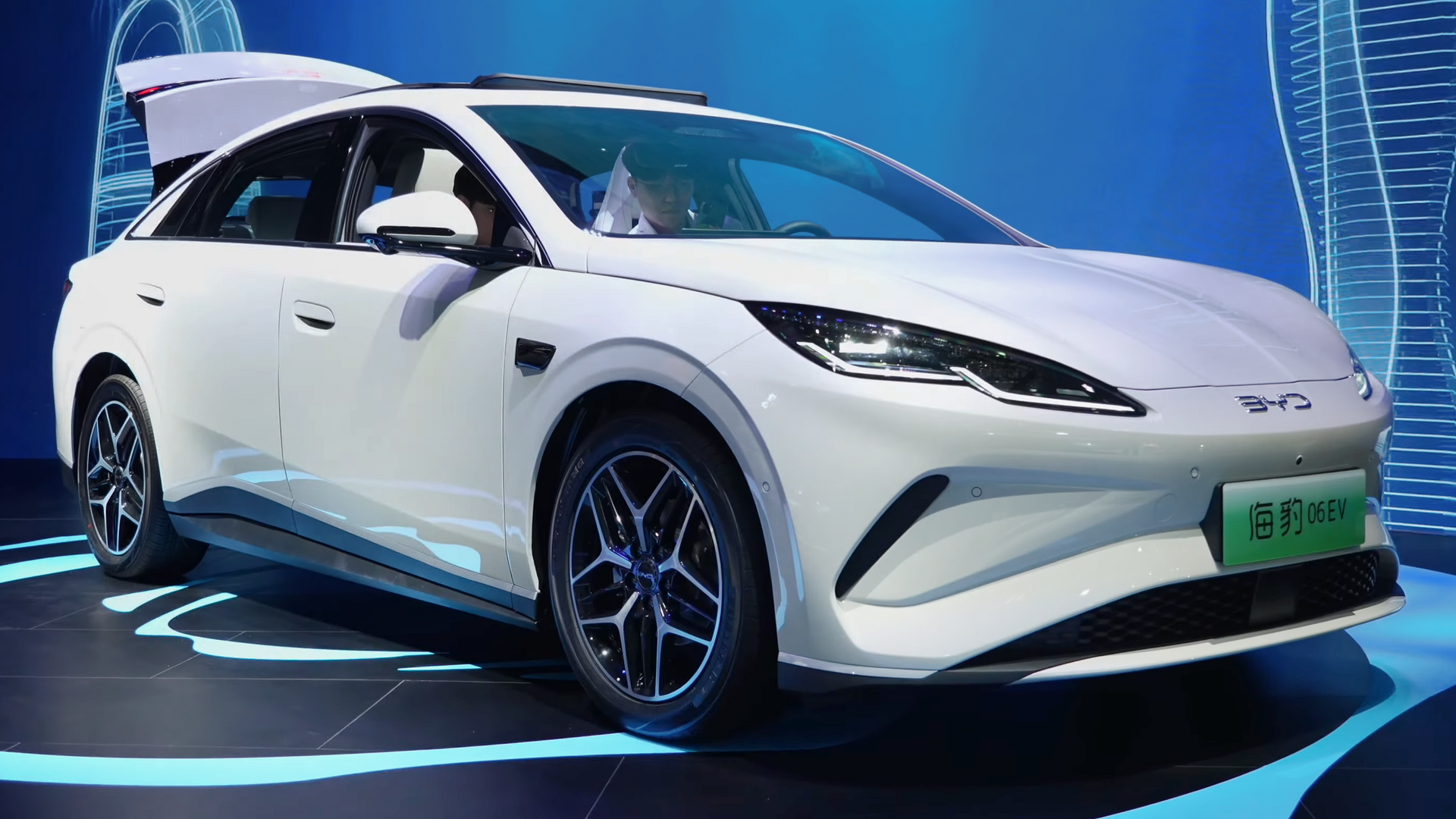
Tom Brady once remarked “I didn’t come this far to only come this far. I want to play against the best and I want to win against the best.” Would we admire the G.O.A.T of NFL quarterbacks as much if the NFL commissioner had openly made it known that Tom’s teams would be protected against playing the best of other teams so that Brady could win a bunch of Super Bowl rings without knowing his talent had been tested? I suspect we find that the idea the NFL would do that is absurd. But the US government, both Republicans and Democrats, has similarly decided that the US car industry cannot compete against the best international rivals and has put prohibitive tariffs on Chinese cars and high tariffs on those from Europe. The US car industry has welcomed this relief. This short term gain will lead to long term ruin. A recent post in The Verge makes a similar point.
Absent strong competition, companies simply do not innovate as vigorously. This is a logical decision for the management of these companies to make. Bearing near and mid-term shareholder interest in mind, as executives are obligated to do in the US, the value maximizing course is to conserve R&D spending, maintain or raise prices, and take the profits while they can. Noted as an exception is Jim Foley, CEO of Ford, who has so far kept his project to build lost cost EVs which can compete with Chinese on cost and quality.
Yet even if direct competition for sales in their respective home markets is prohibited, car producing economies do compete in a global world which cannot be fully disconnected by political fiat. The car producing economies which produce the best, most cost efficient vehicles, will enjoy the benefits of this better and more efficient transportation. The result will be an increase in these economies’ domestic GDP which will increase those economies’ soft and hard power globally.
They will also enjoy the industrial benefits that innovation in car making will create not only in the car industry itself, but across the entire economy as those innovations spread across industries. The argument that US auto manufacturing must be preserved, that is to say protected from competition, because it is essential to overall US competitiveness fails this logic. A US auto industry that is not successfully competing against the global best will not be innovating to their potential and thus will not add to overall US industrial competitiveness in other sectors.
Finally, the car producing economy which creates the best, most affordable, and efficient automobiles will capture the export market. Non-car producing economies, with no local industry to protect, will inevitably prefer better and cheaper cars, currently Chinese designed and built, than inferior and more expensive ones, currently American. The protected US car industry will see only a domestic market while US consumers spend more and have worse alternatives than they otherwise might.
Featured photo: iMoD Official, CC BY 3.0 https://creativecommons.org/licenses/by/3.0, via Wikimedia Commons